Best Paternity Test Kits for Parents
The Technology Behind At-Home Paternity Tests: How Does It Work?
Home paternity testing has grown in popularity thanks to its convenience and ease of access. Utilizing simple cheek swab samples, these tests analyze DNA to establish biological relationships. The process copyrights on understanding genetic markers, which play a vital role in determining familial ties. Still, the impact of such results can be deeply significant. When people reflect on the emotional significance of these results, concerns regarding accuracy and legal standing emerge. What other factors should one contemplate before proceeding?
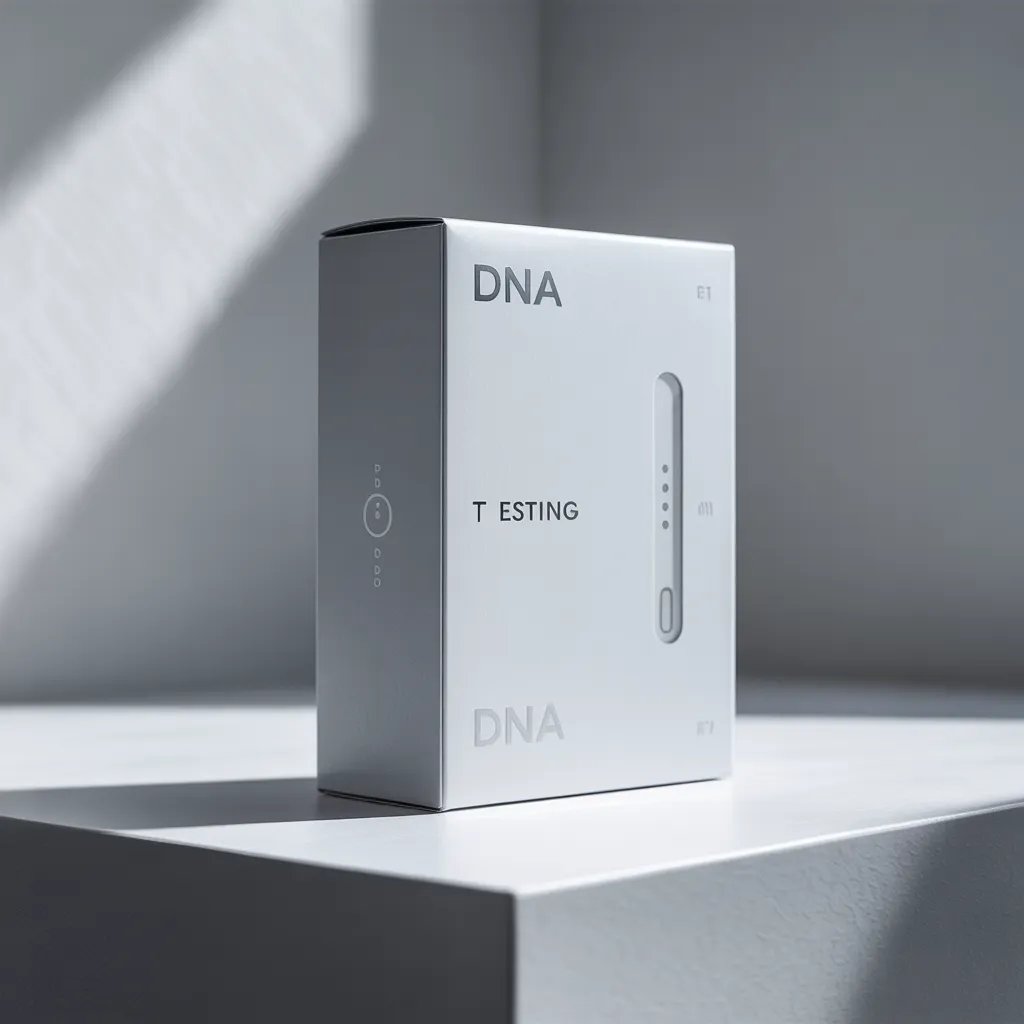
What You Need to Know About Home Paternity Tests
How do home paternity tests help individuals seeking clarity about familial relationships find the answers they need? Such tests present an accessible choice for individuals who have questions about biological connections and prefer not to involve medical professionals. Generally, the procedure requires obtaining DNA samples from both the child and the potential father, frequently through easy-to-use cheek swabs. Following the submission of the samples to a lab, individuals can generally expect to receive their results within a matter of days.
Home-based paternity tests are built with user convenience in mind, allowing individuals to gather necessary information discreetly. They often come with detailed instructions, making the process simple and easy to follow. While these tests are generally accurate, it is essential to select a trustworthy provider to prevent inaccurate outcomes. Additionally, users should be aware of the emotional implications of testing, since results can significantly affect family dynamics. In conclusion, at-home paternity tests function as a valuable resource for individuals looking to clarify their ancestry.
How DNA Works: The Basics of Genetic Markers
DNA takes the form of a double helix, consisting of sequences that hold genetic information. Genetic markers represent particular sequences within DNA that are capable of indicating hereditary relationships. Comprehending these components is crucial for accurately interpreting the results of home paternity tests.
An Overview of DNA Structure
Central to genetic identification resides the complex structure of DNA, which functions as the foundation for every living organism. Made up of two long strands creating a double helix, DNA is built from nucleotides that contain a sugar, a phosphate group, and a nitrogenous base. There are four types of nitrogenous bases: adenine, thymine, cytosine, and guanine. The exact sequence of these bases encodes genetic information, defining traits and functions within organisms. The DNA of each individual is one of a kind, with variations contributing to personal characteristics. This genetic uniqueness is vital for paternity testing, as it facilitates the comparison of DNA samples to determine biological relationships derived from inherited genetic material. Comprehending DNA structure is essential to appreciating genetic identification processes.
Understanding Genetic Markers
Genetic markers serve a crucial function in the identification of individuals and establishing biological relationships. These are distinct DNA sequences that vary from person to person, making them unique identifiers. Common types include single nucleotide polymorphisms (SNPs) and short tandem repeats (STRs). SNPs involve differences found at a single nucleotide position, while STRs consist of repeated sequences in specific locations of the genome. During paternity testing, genetic markers obtained from the child and potential father undergo comparison. When a significant number of markers align, a biological relationship is confirmed, while discrepancies suggest otherwise. The precision and reliability of genetic markers allow for accurate assessments of paternity, establishing them as vital resources in both genetic testing and forensic science.
Do Home Paternity Tests Hold Legal Validity?
What legal standing do home paternity tests hold? As a rule, home paternity tests are not recognized as legally valid in courts. While they provide useful information for personal inquiries, their results are not typically admissible as evidence in legal proceedings. This is primarily due to the absence of stringent chain-of-custody protocols and regulated testing environments, which are essential for ensuring the integrity and reliability of the results.
In contrast, legally valid paternity tests are performed in accredited facilities under strict conditions, guaranteeing that appropriate identification and specimen collection protocols are adhered to. Moreover, these assessments commonly demand neutral third-party monitoring to authenticate the identities of those being tested. Those looking to legally determine paternity for purposes such as child support or custody matters are encouraged to seek certified testing procedures. Therefore, while home tests can offer preliminary insights, they cannot replace the legal validity of professionally administered tests.
Home Paternity Test Accuracy: Essential Statistics
The precision of home paternity tests is determined by a number of factors, including the techniques applied and the certainty levels linked to test results. Furthermore, differences in sample gathering can significantly affect the reliability of test outcomes. Comprehending these critical figures is vital for people contemplating such testing options.
Testing Methodology Influence
Paternity testing methods significantly impact the accuracy of home paternity tests. Such tests commonly utilize DNA analysis techniques including polymerase chain reaction (PCR) and short tandem repeat (STR) profiling. PCR is used to amplify particular DNA segments, allowing for detailed comparison between the alleged father and child. STR profiling examines specific locations on the DNA strand, generating a one-of-a-kind genetic identifier. The accuracy of these tests often hovers around 99.9% when performed correctly, contingent upon quality sample collection and processing. That said, inconsistencies in testing kits and lab standards can impact the final outcomes. In addition, errors in the sample collection process by users may cause contamination, thereby affecting the overall reliability of results. In summary, a clear understanding of these methodologies is key to assessing the credibility of home paternity test results.
Statistical Confidence Ratings
Reliability in at-home paternity testing is frequently measured through confidence level statistics, which shed light on the dependability of the results. Generally, these tests indicate a likelihood of biological paternity ranging from 99.9% to 99.99%. A higher confidence level indicates a greater probability that the person undergoing testing is the biological father. This probabilistic system is significant, as it helps consumers understand the degree of certainty connected to the test results. Moreover, confidence levels are derived from genomic indicators identified in the samples, with a greater number of markers typically resulting in enhanced reliability. However, it is essential to approach these statistics critically, acknowledging that while elevated confidence percentages imply compelling proof, they do not amount to definitive confirmation.
Variability in Sample Collection
Inconsistency in the collection of samples can greatly influence the dependability of home paternity testing outcomes. Reliable specimen gathering relies on the integrity of DNA from sources such as cheek swabs or saliva. Unreliable procedures, such as improper swabbing or contamination, can introduce errors that compromise test reliability. Additionally, surrounding variables, like climatic conditions, may influence specimen integrity. Evidence shows that adherence to provided instructions significantly improves the chances of securing dependable findings. Additionally, the quantity of specimens gathered—commonly from both the alleged father and the child—is also crucial for obtaining definitive outcomes. Ultimately, ensuring standardized and careful collection practices is essential for optimizing the reliability of residential paternity examinations.
Sample Collection and Analysis for Home Paternity Testing
Collecting samples for home paternity tests involves a straightforward process that guarantees reliable results. Typically, the most common method is using buccal swabs, which collect cells from the inside of the cheek. Participants simply rub the swab against the cheek for a few seconds, ensuring adequate sample collection without the need for invasive procedures.
Once the samples are collected, they should be properly sealed and sent to a designated laboratory for analysis. Laboratories utilize advanced DNA analysis methods, including PCR technology (PCR) and STR-based (STR) analysis, to evaluate DNA markers from the potential father and the child.
The precision of these assessments commonly goes beyond 99% when correct procedures are adhered to. It is essential for participants to adhere to the instructions provided to eliminate the risk of sample compromise or degradation, ensuring the integrity of the results.
What to Do After Your Paternity Test: Understanding Your Options
Following a paternity test, people frequently encounter a variety of emotions and decisions that can significantly affect their lives. Comprehending the outcome is the primary step; they may confirm or refute essential information genetic relationships. Should the results come back positive, one might find it beneficial to consider discussing the implications with close relatives, especially when experiencing emotions such as happiness or relief. On the other hand, unfavorable results might bring about feelings of confusion or disappointment, necessitating open conversations about future considerations.
Reaching out to an expert can be highly valuable. Legal professionals or family therapists can assist in addressing the emotional and legal implications of such discoveries. Those considering custody or support matters must have a thorough understanding of applicable state laws. Moreover, people who continue to have reservations can look into supplementary DNA testing as a means of further verification. At the end of the day, any choices made should be handled with deliberate care, as they can profoundly affect both interpersonal connections and individual well-being.
Common Questions and Answers
Can Home Paternity Tests Determine Siblingship or Familial Relationships?
Home DNA tests can indicate sibling connections or family relationships by analyzing DNA profiles. Though not absolute for every circumstance, they are able to indicate biological connections between individuals based on common genetic markers. Results may vary based on the specific test used.
How Long Does It Take to Receive Home Paternity Test Results?
Home paternity testing results usually take three to five business days to process. Many companies offer expedited options for faster results, with some delivering findings within a 24 to 48 hour window at an additional cost.
Are There Age Restrictions for Testing Children?
Home paternity tests generally do not have strict age restrictions. Nevertheless, some testing providers may require parental consent for underage individuals, and testing infants may necessitate specific procedures to guarantee accurate sample collection.
What Occurs When the Samples Become Contaminated?
Should samples be contaminated, the results are likely to become unreliable, resulting in inaccurate conclusions regarding paternity. It is crucial to adhere to proper collection and handling procedures to guarantee the integrity of the samples throughout the testing process.
Is Consent From All Parties Required for Home Paternity Tests?
Home paternity tests generally do not necessitate agreement from every party concerned, as individuals can collect samples independently. Nevertheless, ethical considerations suggest that acquiring approval is beneficial to maintain clarity and consideration for everyone concerned.