Birth Plan Template for Confident Birth Preparation
Build the Ultimate Birth Experience Through Our Customizable Birth Plan Template
Establishing a birth plan is an important step in preparing for childbirth. It offers clarity on choices and fosters communication with healthcare providers. A well-structured template can streamline this process, making certain that vital elements are not overlooked. This approach not only eases anxiety but also supports partners and family members. Understanding the key components of a birth plan can make a significant difference in the overall experience. read the facts What should one consider when crafting their plan?
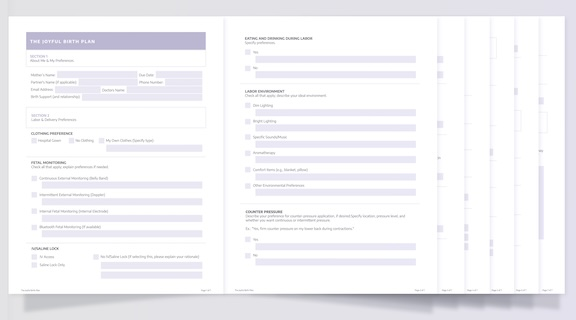
Benefits of Developing a Birth Plan: Why You Ought to Make One
Formulating a labor plan represents the core of readiness and self-assurance. This plan acts as a blueprint for expectant parents, outlining their preferences and expectations for the labor and delivery experience. A primary plus is enhanced communication between the birthing person and healthcare providers, ensuring that everyone is aligned on the selected method. Moreover, a birth plan helps to alleviate anxiety by offering a degree of mastery over the birthing process, allowing individuals to focus on the experience instead of fear.
Moreover, formulating a birth plan supports informed decision-making, as parents often investigate their options in advance. This preparation fosters a collaborative atmosphere, as partners and support teams can better represent for the birthing individual's wishes. Ultimately, a well-crafted birth plan not only improves the overall experience but also contributes to a positive emotional outcome, making it an essential component of the journey into parenthood.
Key Features for Your Birth Plan: What to Put In
A comprehensive maternity plan should contain several key aspects that reflect the inclinations and priorities of the parents expecting a child. Essential components include the delivery space, such as preferences for a hospital, maternity center, or home birth, together with preferred birth attendants. Expectant couples should specify pain control alternatives, describing preferences for holistic approaches or pharmaceutical options.
Additionally, the strategy should address labor preferences, such as movement during labor, positions for delivery, and the use of equipment like birthing balls or water. It is also vital to include post-birth wishes, including skin-to-skin contact, cord clamping, and newborn procedures.
In conclusion, soon-to-be mothers and fathers should consider contingencies for unexpected situations, such as cesarean delivery or complications. By strategically incorporating these elements, expectant parents can formulate a detailed birth plan that serves as a strategic plan for their birthing experience.
Steps to Use Our Bespoke Birth Plan Template
Preparing for childbirth can be overwhelming, though a custom birth plan template streamlines the process by supplying a structured format for expectant parents to express their preferences. To begin, parents should assemble essential information, including their medical history and any specific requests related to labor and delivery.
Next, they can fill out the template, tackling key areas such as pain management options, preferred support persons, and post-delivery care. It's vital to be straightforward and concise, making certain healthcare providers understand their wishes.
Once finished, parents should go over the delivery plan with their healthcare team to guarantee alignment. This collaborative discussion helps clarify any uncertainties and establishes an encouraging atmosphere.
Ultimately, it is wise for parents to store the childbirth plan in an accessible manner and convey them to their birthing team, verifying that all involved remains informed and equipped for the labor process.
How to Revise Your Birth Plan for Surprising Developments
Tailoring a birth plan for unforeseen events necessitates a framework of flexibility and adaptability. Clear dialogue with the healthcare team is critical to work through any alterations that may arise during labor. By preparing for the unforeseen, people can maintain a feeling of control and support throughout the birthing process.
Adopt Agility And Adaptability
Recognizing that childbirth can be changeable, many prospective mothers and fathers find it important to maintain flexibility with their delivery plans. Conditions may shift rapidly, requiring alterations to initial preferences. For example, unexpected medical conditions or changes in the baby's position can prompt alternative interventions. Grasping this truth empowers caregivers to emphasize the full journey rather than specific outcomes. Accepting adaptability means recognizing that the birthing journey can still be satisfying, even if it strays from the original plan. Parents are urged to prepare mentally for various scenarios, building a perspective that prioritizes health and safety over rigid expectations. Ultimately, flexibility can strengthen the birthing experience, allowing parents to manage their particular needs with confidence and ease.
Interact To Your Team
Effective communication with the birthing team is crucial for handling unexpected situations during labor. A well-prepared birth plan should include clear guidelines for preferences but remain open to adjustments based on circumstances. It is vital for the birthing person to express their needs and concerns, ensuring that the team understands their priorities. Regular check-ins can facilitate this dialogue, allowing for real-time updates and decisions. Additionally, using simple language and asking questions can help clarify any uncertainties. The birthing team should also be encouraged to share their observations and recommendations, fostering a collaborative atmosphere. By maintaining an open line of communication, the birthing person and their team can adjust effectively, ensuring a supportive environment despite unforeseen changes.
How to Communicate Your Birth Plan With Your Healthcare Team?
Although providing a birth plan may seem daunting, it is important for establishing that a healthcare team recognizes a patient's preferences and needs during labor and delivery. To start this process, the patient should book a dedicated appointment with their healthcare provider to go over the birth plan in detail. This allows for an direct discussion where questions can be clarified and adjustments made.
Providing a documented copy of the birth plan is vital, as it serves as a tangible reference for the team. Patients may also consider giving the plan with the hospital staff upon admission, ensuring that everyone involved is aware of their wishes. Additionally, discussing the plan with a partner or support person can help reinforce communication and advocacy during labor. Ultimately, proactive sharing of the birth plan encourages collaboration and improves the likelihood of a positive birth experience.
Next Actions After Finalizing Your Plan
Once the birth plan has been completed and communicated with the healthcare team, the next steps involve putting preparations into action. The expectant parents should ensure that all necessary items for the hospital or birthing center are packed, including personal comfort items and any specific tools outlined in the plan. It is also critical to communicate the birth plan to support persons, making sure everyone understands their roles during labor and delivery.
Moreover, parents should book any last appointments with healthcare providers to resolve any doubts or questions. Participating in childbirth education classes can also prove valuable, supplying insights that match the delivery strategy.
Ultimately, maintaining flexibility is necessary, as conditions could shift unanticipated. Regularly reviewing and discussing the plan with the healthcare team can help assure that everyone remains aligned on the family's inclinations, encouraging a supportive environment during the birth experience.

Frequently Raised Questions and Answers
Can I alter My Birth Plan After It's Created?
Yes, a birth plan can be changed after its establishment. Flexibility is necessary as factors develop. Expectant parents are urged to communicate any adjustments with their doctors to confirm everyone is in agreement with their choices.
What if My Delivery Strategy Clashes Against Medical Advice?
If a birthing strategy conflicts with doctor's guidance, it's essential to discuss concerns with healthcare providers. Focusing on safety and health may demand adjustments, ensuring that the plan aligns with professional recommendations for the finest outcomes.
What Amount of Detail Is Appropriate for My Birth Plan?
A delivery plan should be detailed enough to relay preferences but supple to accommodate unanticipated events. Including key desires for contractions and birth, delivery, and postnatal care guarantees transparency while allowing healthcare providers to recalibrate as called for.
Are Birth Plans Recommended for C-Sections?
Birth plans are proposed for C-sections, as they facilitate expressing preferences and expectations, including anesthesia options, post-operative care, and newborn procedures. This understanding can enhance communication between the patient and the medical team.
Can Spouses or Relatives Add to the Delivery Plan?
Yes, partners or family members can take part in the birth plan. Their involvement guarantees that diverse viewpoints and wishes are considered, helping to produce a more supportive and personalized experience during childbirth.