Home Paternity Test: Accurate DNA Testing for Parents
Exploring Family Connections: The Role of DNA Tests for Siblings in Uncovering Relationships
Sibling DNA tests have emerged as powerful instruments for uncovering familial relationships. These tests can establish parentage and uncover ties that were once a mystery. Even as these tests shed light on biological connections, they present emotional intricacies that families are required to address. Such revelations can carry deep implications, sparking inquiries about personal identity and a sense of belonging. What happens when the results challenge long-held beliefs about family? The outcomes have the potential to transform family bonds in ways no one anticipated.
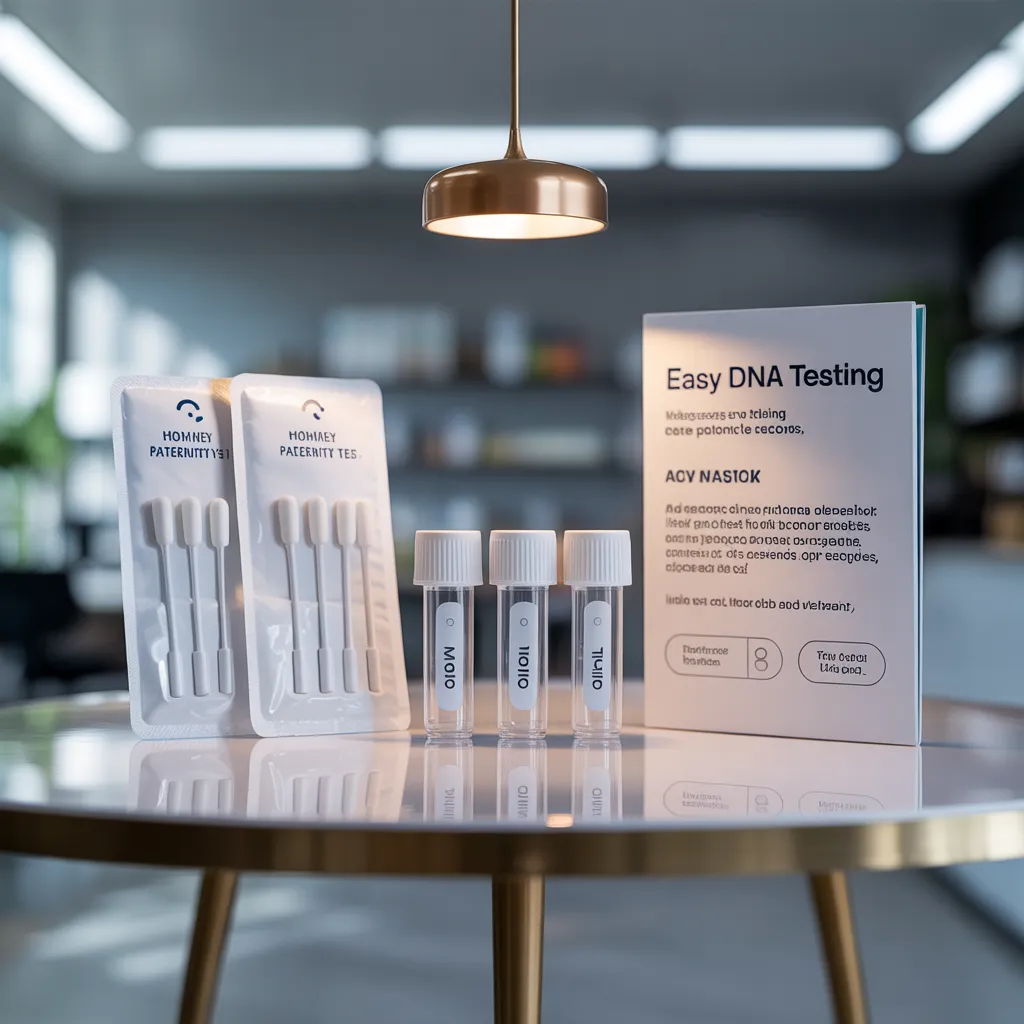
Understanding Sibling DNA Tests and Their Importance
Sibling DNA testing serves as a powerful tool for revealing familial bonds among siblings. These analyses examine DNA markers that individuals share to establish the probability of the parties being wholly related, partially related, or entirely unrelated. By comparing DNA sequences, people can uncover valuable information about their biological ties, which can prove especially beneficial for people navigating complicated familial histories or uncertainties regarding parentage.
Understanding these relationships can significantly influence family dynamics, providing insight in situations where familial ties have been challenged or unclear. DNA sibling tests can also foster a sense of identity and belonging, especially for people wanting to learn about their lineage. Moreover, the results can shape emotional bonds, helping siblings navigate feelings of attachment or separation. As the significance of genetic information increases in society, these tests prove indispensable for fostering acceptance and understanding within family structures.
How DNA Testing Identifies Hidden Family Connections
How can DNA testing reveal connections that were previously unknown? DNA testing offers a powerful method for revealing family relationships that might not be apparent through conventional approaches. By analyzing genetic markers, individuals can identify biological connections with half-siblings, unknown relatives, or even distant cousins. This method can help untangle intricate family histories, most notably in adoption cases or circumstances where family structures differ from the norm.
The findings can provide new insights about mutual heritage, genetic attributes, and health inclinations. For numerous individuals, this newly acquired information can transform their comprehension of family connections and ancestry. Additionally, DNA testing may expose unexpected familial ties, prompting individuals to explore connections that were previously overlooked. At the core, the findings from DNA analysis can substantially enrich one's comprehension of their family tree, cultivating a greater respect for the elaborate tapestry of ties that form individual identity.
The Emotional Consequences of Sibling DNA Testing on Family Bonds
DNA tests for siblings have the potential to greatly influence familial bonds by exposing unexpected connections that test honesty and openness. Such findings commonly give rise to intricate psychological reactions, as family members contend with their identities and familial bonds. Recognizing these psychological impacts is essential for handling the outcome of the testing process and sustaining strong familial connections.
Trust and Transparency Issues
Trust and transparency issues frequently arise within families when DNA tests between siblings are conducted. Undergoing such testing can unearth hidden family secrets, triggering feelings of betrayal among siblings who may have previously believed they had an uncomplicated relationship. These discoveries can raise concerns about the honesty of parents and the accuracy of family histories. When findings fail to meet expectations, the resulting emotional impact can weaken family bonds, as individuals grapple with feelings of insecurity and doubt. Furthermore, the apparent necessity of DNA testing can suggest deeper deficiencies in trust, implying that family members may struggle to openly address their connections. Consequently, such tests may unintentionally undermine the basis of family trust, complicating already delicate dynamics.
Understanding Emotional Responses
When surprising outcomes from sibling DNA tests emerge, the emotional terrain within families can transform related resource profoundly. Revelations about biological connections can lead to feelings of betrayal, confusion, or anger among siblings. Some may wrestle with questions about their identity or the legitimacy of their relationships, while others might encounter a sense of relief or validation. Handling these emotions necessitates open communication and empathy, as siblings address their reactions together. It is important for family members to provide space for individual feelings without judgment, nurturing an environment where healing and understanding can take place. In the end, the effect of these tests can either strain or reinforce family bonds, depending on the manner in which the emotional fallout is handled.
Leveraging DNA Insights to Improve Communication Between Siblings
Recognizing the hereditary bonds between siblings can improve their communication, particularly when misunderstandings arise. By applying information from DNA tests, siblings can achieve a more accurate perspective on their hereditary ties, which may shed light on root reasons for specific tendencies or disagreements. This understanding cultivates emotional connection, as siblings recognize that biological distinctions can influence personal tendencies and personal tendencies.
When disagreements arise, consulting genetic knowledge can act as a common basis for conversation. Instead of attributing disagreements solely to personal differences, siblings may recognize that their individual qualities originate from their genetic background. This understanding can encourage a more meaningful exchange, encouraging open communication about feelings and experiences.
At its core, harnessing DNA insights inspires siblings to navigate their relationships with curiosity rather than criticism. By developing a richer comprehension of each other's genetic makeup, siblings can establish a more nurturing environment that sustains their relationship, even through obstacles.
True Accounts: How DNA Testing Transformed Family Relationships
The dynamics between siblings can be significantly shaped by the discoveries made possible by DNA testing. In one remarkable instance, a pair of brothers raised in different homes discovered through a DNA test that they shared the same biological father, leading to a heartfelt reunion. Their newfound connection gave them the opportunity to share life experiences and tales, strengthening their connection.
In a similar situation, a female learned that her biological half-sister, who she previously considered to be a cousin, was truly a sibling. This finding inspired both to explore their family history together, fostering a sense of connection and understanding that had long been missing.
Alternatively, DNA testing at times brings to light unforeseen discoveries, as in the case of a man who learned he was without biological ties to his siblings. While initially shocking, this revelation eventually resulted in honest dialogues and a renewed appreciation for the personal connections that define one's sense of family, beyond genetic factors.
Ethical Considerations in Sibling DNA Testing
With the progress of genetic testing offering valuable insights into familial bonds, they also raise significant ethical considerations. Sibling DNA analysis may bring to light unanticipated family relationships, potentially disrupting family dynamics and causing emotional distress. The decision to undergo testing often involves consent from multiple parties, prompting important questions regarding personal autonomy and the right to understand one's genetic heritage. Furthermore, uncovering non-paternity or half-sibling connections can trigger profound feelings of betrayal and insecurity within families.
Privacy concerns also emerge, as genetic information is private and might be mishandled if not adequately safeguarded. The risk of discrimination based on genetic predispositions further adds complexity to the ethical terrain. Therefore, it is important for individuals considering sibling DNA tests to carefully consider the emotional and ethical implications, ensuring that they approach the process with full awareness of its possible consequences for themselves as well as their family members.
Emerging Trends in DNA and Family Connections
To what extent will the shifting terrain of genetic analysis alter familial bonds in the coming years? As technology advances, the accessibility and affordability of genomic tests are anticipated to rise, empowering more individuals to examine their hereditary bonds. This increase in testing has the potential to create a more profound awareness of hereditary connections, uncovering previously unknown relationships and disrupting long-held ideas of family structure.
Additionally, the rise of direct-to-consumer genetic testing may foster a culture of openness regarding family lineages and roots. As more and more people examine their genetic backgrounds, conversations about heritage, ethnicity, and family dynamics will grow more frequent.
Nevertheless, this phenomenon also raises concerns about privacy and consent, as families work through the nuances of exchanging genetic data. At its core, the future landscape of DNA analysis is likely to cultivate both more meaningful connections and new challenges, as families learn to adapt to the insights and revelations that emerge from their genomic legacies.
Questions We Often Receive
How Precise Are Sibling DNA Tests at Establishing Relationships?
DNA tests for siblings are commonly precise, providing a strong likelihood of verifying familial connections. Nevertheless, outcomes may differ depending on the degree of genetic similarity, and supplementary information might be required to comprehensively interpret family relationships.
Can Sibling DNA Tests Reveal Non-Biological Connections?
Sibling DNA tests chiefly identify genetic relationships; however, they can indirectly suggest non-biological relationships by highlighting common genetic indicators. Such discoveries may lead individuals to examine familial relationships outside conventional understandings of family.
At What Age Is It Appropriate to Take a Sibling DNA Test?
The suitable age for completing a DNA sibling test is commonly considered to begin at 18, as those who have reached adulthood are equipped to make knowledgeable decisions. Younger participants may require parental approval and supervision for understanding results.
How Are Half-Siblings and Full Siblings Distinguished in Sibling DNA Tests?
Sibling DNA tests identify the difference between full siblings and half-siblings by analyzing common genetic markers. Full siblings share approximately 50% of their DNA, while siblings who are half-siblings share approximately 25%, offering clear distinctions in biological relationships.
Do Privacy Concerns Exist When Sharing DNA Test Results?
Privacy challenges surface when sharing genetic test results, as individuals may inadvertently expose private data about their genetic makeup. This may impact not only the person who underwent testing but also their relatives, giving rise to potential relational tensions.