Leading Experts in Hair Regrowth Treatment Malaysia
Best Hair Regrowth Treatments: Premier Treatments for Denser, Healthier Hair
Hair thinning can influence confidence and general well-being. Numerous solutions are available to tackle this concern, with each option delivering its own set of benefits. Well-known pharmaceutical solutions such as minoxidil and finasteride are celebrated for their effectiveness. Meanwhile, natural remedies and advanced therapies are gaining traction among those seeking alternatives. Understanding the full spectrum of available solutions is essential for making informed choices. Moving forward with researching these treatments could pave the way for a more fulfilling path toward hair regrowth.
Why Hair Loss Matters: Understanding Causes and Types
Hair shedding, a frequent problem for numerous individuals, can heavily influence one's sense of self-worth and daily quality of life. Understanding its causes and types is vital for addressing this issue effectively. Inherited traits, such as androgenetic alopecia, have a considerable influence on both male and female pattern hair loss. Shifts in hormone levels, commonly observed during pregnancy or menopause, can also result in hair thinning. Furthermore, health conditions such as thyroid disorders and autoimmune diseases may contribute to hair loss.
Various environmental elements, comprising harsh chemical exposure, inadequate nutrition, and stress, can aggravate the situation. Moreover, tight hairstyles that tug at the hair can cause traction alopecia. Recognizing the nature of hair loss—be it patchy loss, diffuse thinning, or progressive receding—supports a more effective approach to treatment. Grasping these distinctions is essential for anyone seeking to manage their hair loss effectively.
What Are the Top Topical Hair Regrowth Solutions?
What are the most effective topical treatments for hair regrowth? Minoxidil is broadly acknowledged as a top choice, available in both liquid and foam forms. This non-prescription treatment energizes hair follicles, promoting increased blood flow and encouraging hair growth. A further noteworthy topical treatment is ketoconazole shampoo, which addresses scalp conditions like dandruff while also displaying anti-inflammatory characteristics that may contribute to hair health.
In addition, some natural oils, notably rosemary and peppermint oil, have attracted interest for their promise in boosting hair development through boosted scalp circulation. Natural extracts, such as saw palmetto, are also examined for their potential to suppress DHT production, a hormone commonly associated with hair thinning and loss.
Such topical treatments fluctuate in efficacy among individuals; as a result, people are advised to seek guidance from a healthcare professional to determine the most suitable option for their particular situation. Regular application and patience are vital for obtaining the best outcomes.
Oral Treatments for Hair Loss: Finasteride and Beyond
Oral medications have emerged as a promising alternative for people looking to address hair loss. Within this category, finasteride is a top choice, commonly prescribed for androgenetic alopecia in men. This treatment operates by suppressing the enzyme that transforms testosterone to dihydrotestosterone (DHT), a hormone connected to hair loss. Scientific trials have confirmed its success in encouraging hair regrowth and slowing down the progression of hair thinning.
Furthermore, minoxidil, despite being more widely known in a topical preparation, is also available in oral versions. It acts by enhancing blood supply to the hair follicles, encouraging follicular growth. Additional medications, such as dutasteride, share similar mechanisms to finasteride but might deliver different efficacy profiles.
It's essential for individuals considering these treatments to speak with qualified doctors to review potential risks and establish the most appropriate treatment plan. Overall, oral treatments mark a major breakthrough in the pursuit of thicker, fuller hair.
Advanced Therapies for Hair Loss: Exploring PRP and Laser Options
As people consider various options for hair regrowth, innovative treatments have emerged alongside traditional oral medications. Among these, Platelet-Rich Plasma therapy and laser-based treatments distinguish themselves through their forward-thinking techniques. Platelet-Rich Plasma therapy entails collecting a small volume of the patient's blood, concentrating the platelets through processing, and delivering it into the scalp. This method seeks to activate hair follicles and encourage regrowth by leveraging the body's innate restorative abilities.
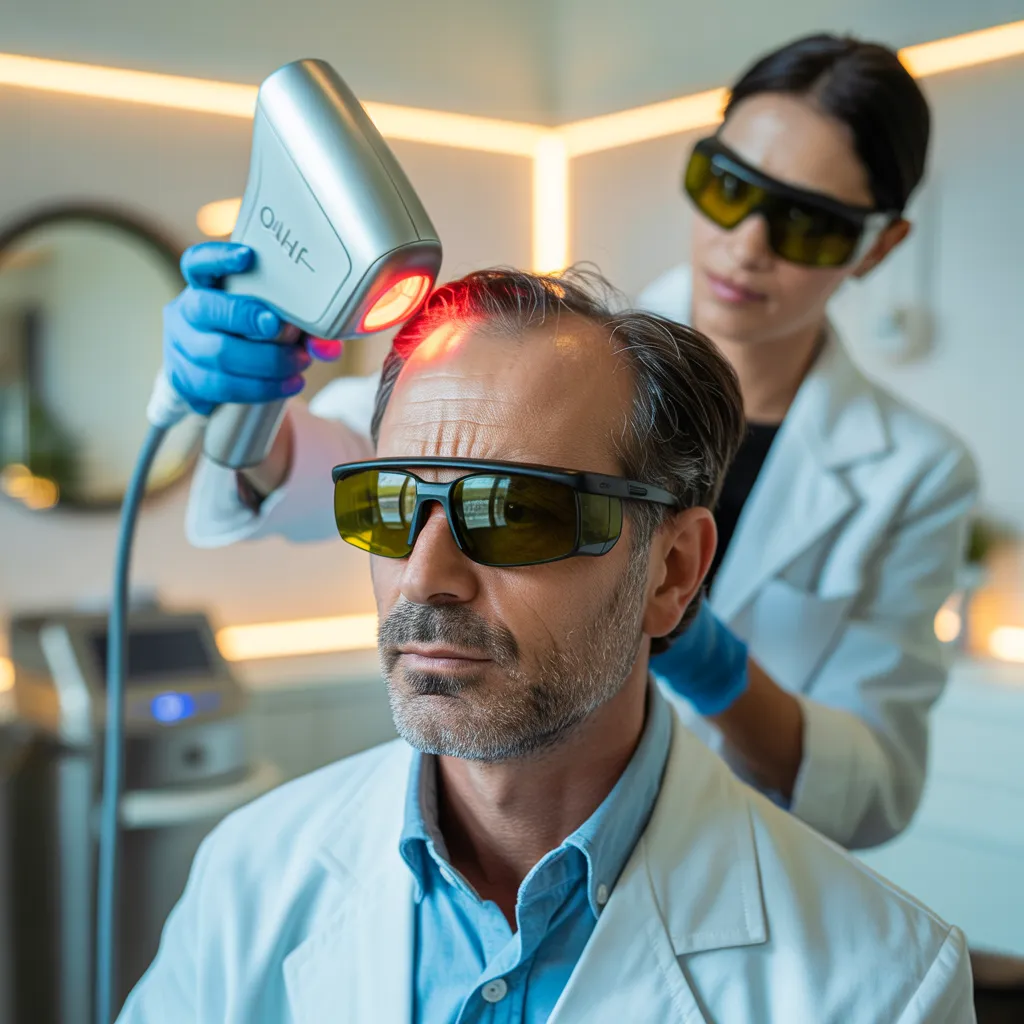
Laser treatment, alternatively, makes use of low-level lasers to enhance blood circulation and cellular activity in the scalp. This minimally invasive technique works to boost hair thickness and density gradually. Both treatments have demonstrated encouraging results in clinical research, with a significant number of patients noting improvements. As demand for these innovative therapies refer to this page increases, they offer practical options for individuals looking for effective ways to address hair loss.
Examining the Effectiveness of Natural Hair Restoration Remedies
As advanced therapies present innovative remedies for hair loss, numerous people seek out natural remedies looking for gentler, more holistic alternatives. Frequently used remedies encompass essential oils, herbal supplements, and dietary modifications, which are considered to support hair growth and boost overall scalp condition. Elements including rosemary oil and saw palmetto have drawn recognition for their potential benefits, with some studies suggesting they may stimulate hair follicles.
Nonetheless, the clinical data substantiating these solutions is frequently limited and based on anecdotal reports. Even though some users note beneficial effects, the varying effectiveness can be attributed to factors such as the fundamental cause of hair shedding and each person's biological makeup. It's vital for individuals to consider these natural solutions with a grounded perspective. Working with licensed healthcare providers can help determine the best possible path forward, ensuring that individuals make informed decisions about their hair restoration methods.
How to Promote Healthy Hair Growth: Guidance and Methods
Preserving healthy hair growth demands focus on both nutrition and scalp care. A nutrient-rich diet rich in key nutrients and minerals can significantly boost hair vitality. Additionally, efficient scalp maintenance methods play an important role in creating an ideal environment for optimal hair development.
Nutrition-Based Support for Growth
A well-rounded diet plays an essential role in promoting healthy hair growth. Essential nutrients like proteins, vitamins, and minerals are crucial for preserving hair quality and vigor. Including foods packed with omega-3 fatty acids, such as fish and flaxseeds, can benefit scalp condition and strengthen hair follicles. Iron and zinc, present in lean meats, legumes, and nuts, are critical for minimizing hair loss. Furthermore, vitamins A, C, D, and E play a significant role to hair health by promoting cell development and shielding from oxidative stress. Biotin, widely recognized as a hair-boosting nutrient, is naturally occurring in eggs and whole grains, aiding in keratin production. Ultimately, a balanced and nourishing diet is fundamental in fostering thicker, fuller hair.
Scalp Care Methods
Proper nutrition establishes the foundation for healthy hair, but scalp care techniques are equally important in promoting hair growth. Frequent scalp massages boost blood circulation, supplying vital nutrients to hair follicles. Incorporating natural oils like jojoba or coconut can hydrate and soothe the scalp, combating dryness and irritation. Monthly scalp exfoliation helps eliminate dead skin cells, keeping pores clear and unclogged, thus fostering a healthier setting for hair growth. Additionally, maintaining a balanced pH level is essential; choosing gentle, sulfate-free shampoos can support this balance. Proper hydration plays a vital role; drinking sufficient water supports overall scalp health. Embracing these methods can significantly boost hair vitality, resulting in thicker, fuller hair with time.
Commonly Asked Questions
How Long Does It Take to See Results From Hair Regrowth Treatments?
Typically, individuals may start noticing results from hair regrowth treatments within three to six months. However, the time frame can vary based on the treatment, individual response, and underlying hair loss causes. Consistency is essential.
Are There Any Side Effects Associated With Hair Regrowth Medications?
Hair regrowth medications may cause side effects including scalp sensitivity, scalp dryness, and unwanted facial hair growth. Additionally, some users report dizziness or alterations in heart rate, though these effects differ depending on the individual and type of treatment.
Can Your Diet Influence Hair Growth and Regrowth Effectiveness?
Food intake considerably influences hair growth and the success of regrowth therapies. Nutrient-rich foods, particularly those high in proteins, vitamins, and minerals, can strengthen hair health and promote healthier, more robust regrowth when combined with the right treatments.
Does Heredity Cause Hair Loss and Can Treatments Provide Relief?
Hair loss can indeed be hereditary driven by genetic factors. Various treatments may help mitigate its effects, supporting regrowth and boosting overall hair volume, yet individual results can vary greatly depending on one's unique situation.
Which Lifestyle Changes Can Promote Hair Regrowth Efforts?
Embracing a healthy diet packed with vitamins, alleviating stress through relaxation techniques, getting adequate sleep, and reducing heat styling can significantly support hair regrowth goals, stimulating more robust follicles and comprehensive hair health in individuals experiencing hair loss.