Radiofrequency Ablation Knee: Innovative Knee Pain Relief Treatment for Active Individuals
Discover the Benefits of Radiofrequency Ablation: A Cutting-Edge Treatment for Pain Relief
Radiofrequency Ablation (RFA) is emerging as a significant option for those experiencing chronic pain. This non-invasive treatment interrupts neural transmissions to provide enduring comfort, especially for conditions like arthritis and back pain. As individuals search for alternatives to traditional pain management methods, understanding RFA's workings and benefits becomes essential. What factors influence its efficacy, and who stands to gain from this groundbreaking approach? The responses may astonish many.
Chronic Pain: An Examination of Effective Treatment Approaches
What are the most effective approaches for treating chronic pain? Multiple therapeutic choices exist, each tailored to individual needs. Pharmaceutical treatments, including non-copyrightal anti-inflammatory drugs (NSAIDs) and opioids, are commonly recommended to alleviate discomfort. Physical therapy plays a essential role in rehabilitation, helping to enhance mobility and strength. Cognitive-behavioral therapy (CBT) tackles the psychological aspects of pain, enabling patients to create coping strategies. Complementary treatments such as acupuncture and massage offer additional avenues for relief, often boosting conventional treatment effectiveness. Lifestyle modifications, including regular exercise and a balanced diet, add considerably to overall well-being. Integrative approaches, combining multiple therapies, have shown promise in managing chronic pain effectively. Ultimately, a thorough, patient-centered plan is vital, allowing for ongoing assessment and adjustment to guarantee ideal outcomes. By considering these varied methods, individuals can find a tailored approach that best suits their chronic pain management needs.
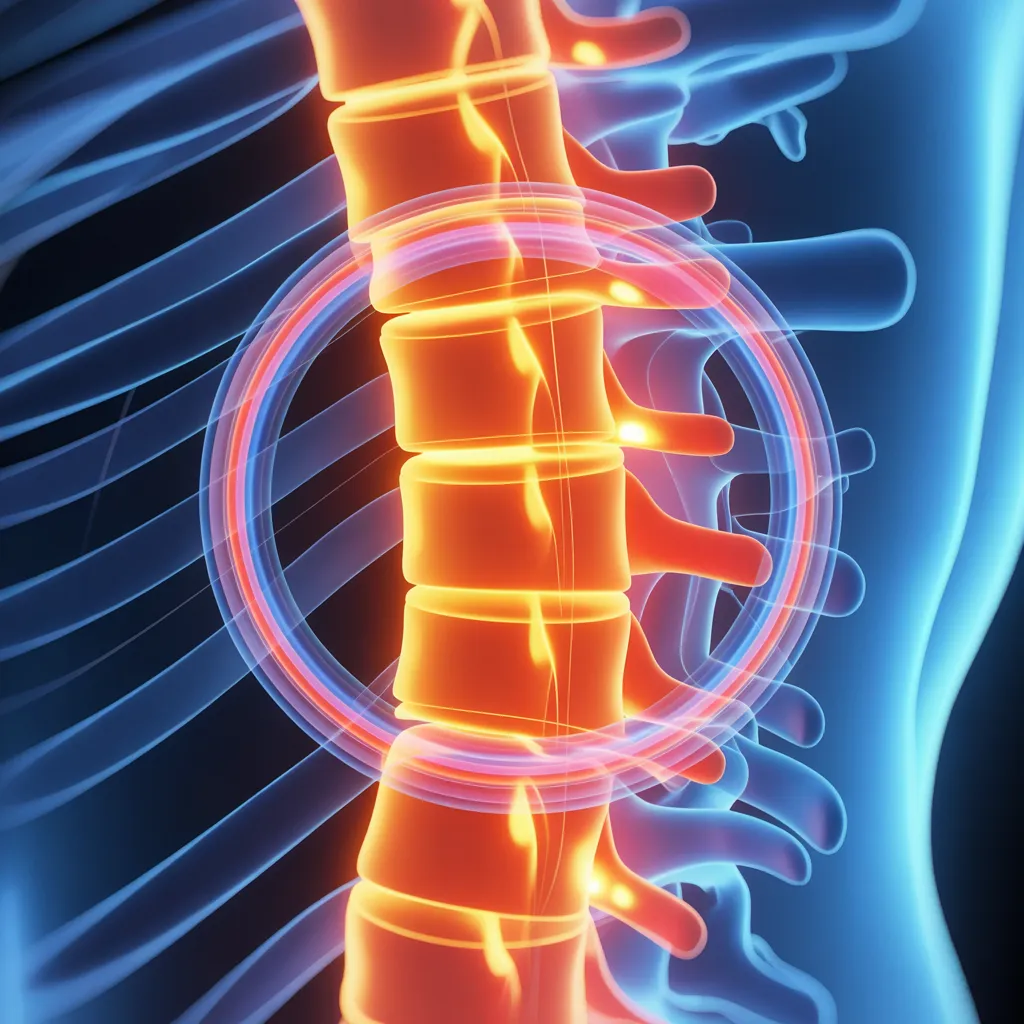
Comprehending RF Ablation techniques
Radiofrequency ablation (RFA) constitutes a minimally invasive treatment created to reduce persistent discomfort by interrupting pain signals. This technique utilizes radiofrequency energy to produce thermal energy, which targets specific nerves responsible for sending pain. RFA is often employed as an alternative for individuals who have not experienced improvement through conventional pain relief approaches, such as medications or physical therapy.
The intervention is commonly performed in an clinic facility, allowing people to return home the same day. People are generally sedated, and the area is desensitized to minimize discomfort. RFA has purposes in diverse types of ache, encompassing back, neck, and joint pain, making it a adaptable instrument in discomfort control.
How Does RF Ablation Function for Pain Relief?
How proficiently does radiofrequency ablation disrupt pain signals? This cutting-edge technique uses radiofrequency energy to generate heat, precisely honing in on nerve tissues responsible for transmitting pain. By carefully applying this heat, radiofrequency ablation disrupts the integrity of these nerves, lessening their ability to send pain signals to the brain. The procedure is typically performed under local anesthesia, allowing for minimal discomfort while ensuring patient safety.
Once the focal nerves are ablated, patients often experience significant relief from chronic pain conditions. The impacts can last for extensive durations from months onwards, depending on case-by-case factors. Additionally, radiofrequency ablation can be customized specifically to various anatomical locations, increasing its versatility in ache management. This way not start now only grants a pathway to pain alleviation but also works to improve comprehensive life quality, facilitating individuals to engage more fully in daily activities and regain a return to normal.
What Conditions Can RFA Help With?
Chronic discomfort can stem from different conditions, and radiofrequency ablation (RFA) has developed as a useful therapeutic approach for many of them. This low-invasiveness procedure is particularly effective for patients contending with arthritis, facet joint pain, and herniated discs. RFA zeroes in on specific nerves in charge of transmitting pain signals, delivering relief for those with long-standing lower back pain and neck pain.
Additionally, individuals with conditions such as spinal stenosis and complex regional pain syndrome may benefit from RFA. It has also shown promise in treating certain types of cancer-related pain, enhancing the quality of life for patients. By interrupting the nerve function that causes pain, RFA can provide sustained relief, allowing individuals to regain mobility and improve daily activities. As research advances, the range of conditions that RFA can address may expand, offering hope for many in chronic pain.
Benefits of Radiofrequency Ablation in Pain Control
Radiofrequency ablation (RFA) offers multiple benefits in pain control, primarily due to its less invasive nature. Patients frequently undergo extended pain relief, which can greatly enhance their lifestyle quality. These advantages make RFA an appealing choice for those seeking efficient pain management.
Minimally Invasive Procedure Pros
Many patients seeking pain management are increasingly turning to radiofrequency ablation due to its minimally invasive nature. This procedure involves the application of heat to targeted nerves, successfully blocking pain signals without the need for extensive surgical intervention. As a result, patients typically experience reduced recovery times and minimal postoperative discomfort versus traditional surgeries. Additionally, the tiny incisions required minimize scarring and decrease the risk of infection. Radiofrequency ablation can be performed on an outpatient basis, enabling individuals to return home the same day. This convenience and reduced physical trauma make it an attractive option for those looking to manage chronic pain successfully. Ultimately, its minimally invasive characteristics add significantly to patient satisfaction and improved quality of life.
Sustained Discomfort Solution
While multiple pain management techniques are present, radiofrequency ablation excels for its capacity to deliver long-lasting relief. This cutting-edge procedure targets distinct nerves that carry pain signals, effectively disrupting their function. The result is a substantial reduction in pain, often lasting for months or even years. Unlike traditional pain medications, which may necessitate ongoing use and can lead to unwanted adverse reactions, radiofrequency ablation provides a more durable solution by addressing the underlying source of pain. Patients often report enhanced mobility and decreased reliance on medication, enhancing their overall pain management strategy. By reducing discomfort for extended periods, radiofrequency ablation functions as a valuable option for individuals seeking enduring relief from chronic pain conditions.
Upgraded Level of Life
The power to substantially reduce soreness can bring about remarkable improvements in a patient's overall well-being. Radiofrequency ablation (RFA) not only reduces discomfort but also boosts everyday performance and psychological health. Patients frequently report enhanced mobility, permitting them to take part in activities they once appreciated, including physical workouts, socializing, and hobbies. As pain lessens, anxiety and depression related to chronic pain commonly decrease, leading to a more positive outlook on life. Moreover, better sleep quality typically accompanies pain reduction, further improving overall health. By treating the primary cause of discomfort, RFA allows individuals to take back control, promoting growth both personally and professionally. In the end, this cutting-edge therapy encourages a fresh sense of independence and contentment.
Would You Prove to Be an Outstanding Option for RFA?
Establishing candidacy for radiofrequency ablation involves several key considerations. Patient history, the duration of discomfort, and results from earlier treatments all play critical roles in evaluating appropriateness. Comprehending these components can assist people make well-researched choices about their pain control alternatives.
Medical History Review
Prior to undergoing radiofrequency ablation (RFA), a thorough evaluation of medical history is necessary to determine the suitability for the procedure. Healthcare providers examine various factors, including existing medical conditions, past surgeries, and current medications. Conditions like diabetes, heart disease, or bleeding disorders may influence the decision. Additionally, a history of chronic pain or unsuccessful previous treatments can give information into potential outcomes. Patients should disclose any allergies or sensitivities to anesthesia, as these can alter procedural safety. Furthermore, comprehending a patient's overall health status is important in assessing the likelihood of complications. This rigorous assessment guarantees that RFA is an appropriate choice tailored to the individual's specific needs and health profile, maximizing the potential for effective pain relief.
Assessing Pain Duration
Pain duration is an vital factor in assessing candidacy for radiofrequency ablation (RFA). Candidates often exhibit chronic pain persisting over three months, since acute pain generally responds better to other treatments. Assessing the length of pain helps healthcare providers evaluate the underlying cause and its progression. Individuals with chronic pain often experience a decreased quality of life, making them more likely to benefit from RFA. Furthermore, understanding pain duration aids in establishing feasible expectations regarding treatment outcomes. A full assessment ensures that patients are physically and psychologically ready for the procedure. Ultimately, precise evaluation of pain length is critical for identifying suitable candidates for RFA, thereby promoting effective management of chronic pain conditions.
Past Treatment Performance
Many individuals considering radiofrequency ablation (RFA) have often completed various treatments prior to exploring this option. These interventions may include physiotherapy, pharmaceuticals, and even operative procedures, with differing levels of effectiveness. Examining the outcomes of these previous treatments is essential in determining candidacy for RFA. Patients who suffer from limited relief or prolonged pain despite other treatments may discover RFA especially beneficial. Additionally, people with a clear identification of the origin of pain are more probable to attain favorable outcomes. Evaluating prior therapy results helps healthcare providers understand the individual's history of pain, guiding them in crafting a customized strategy. Ultimately, unsuccessful prior therapies may suggest a strong likelihood that RFA could provide the desired relief.
Expectations for Your RFA Procedure
As individuals get ready for their radiofrequency ablation (RFA) procedure, comprehending what to expect can greatly alleviate anxiety. The process typically starts with a meeting where the doctor reviews the individual's health background and objectives for pain management. On the date of the procedure, patients are typically instructed to refrain from food and beverages for several hours beforehand.
During the RFA, individuals are placed comfortably, and local anesthetic is applied to reduce pain. The physician uses imaging guidance to precisely position the electrode, delivering controlled radiofrequency energy to targeted nerves. Patients may experience a momentary feeling during the ablation.
In the post-procedure phase, individuals should anticipate some discomfort, which is generally manageable with non-prescription pain relief. Healing periods differ, but most people can resume regular routines within a few days. Overall, setting practical goals can result in a more favorable outcome and enhance the efficacy of the procedure.
Frequently Asked Information and Questions
How Long Does Recuperation Take Following a Radiofrequency Ablation Intervention?
The recovery duration following RF ablation typically requires a few days to a couple of weeks. Patients tend to resume regular activities within a week, though personal recovery differences may depend on circumstances.
Are There Any Side Effects Connected With RFA?
Yes, RF ablation may cause side effects, such as pain at the procedure area, inflammation, contusions, or temporary nerve damage. These effects are mild and disappear rapidly, but patients should talk about concerns with their doctor.
What is the Duration of discomfort reduction From RFA Typically?
Alleviation of pain from radiofrequency ablation generally lasts from several months to over a year, based on individual factors such as the type of pain, underlying conditions, and the patient's reaction to the procedure.
May RFA be Redone in the Event that Discomfort Resurfaces?
Yes, radiofrequency ablation may be performed once more if pain returns. Physicians routinely examine the patient's condition before undertaking further treatments, verifying that the procedure remains a feasible option for sustained pain management and relief.
Are insurance coverage providing coverage for RFA?
Radiofrequency ablation (RFA) is widely covered by several insurance organizations, but coverage can vary based on the policy details and medical indication. It is advisable for patients to confirm specifics with their insurance provider.