Why a Home Paternity Test Provides Simple Cheek Swabs
The Rise of Home Paternity Tests: Precision, Confidentiality, and Ease
The rise of residential paternity testing represents a considerable transformation in how people approach parentage verification. With reliability rates often exceeding 99%, such tests present a accessible approach for collecting DNA samples. However, significant privacy concerns about DNA data continue to exist. As a growing number of families explore such testing options, it is important to consider the impact of accuracy, privacy, and emotional consequences. What factors should they prioritize in determining the right course of action?
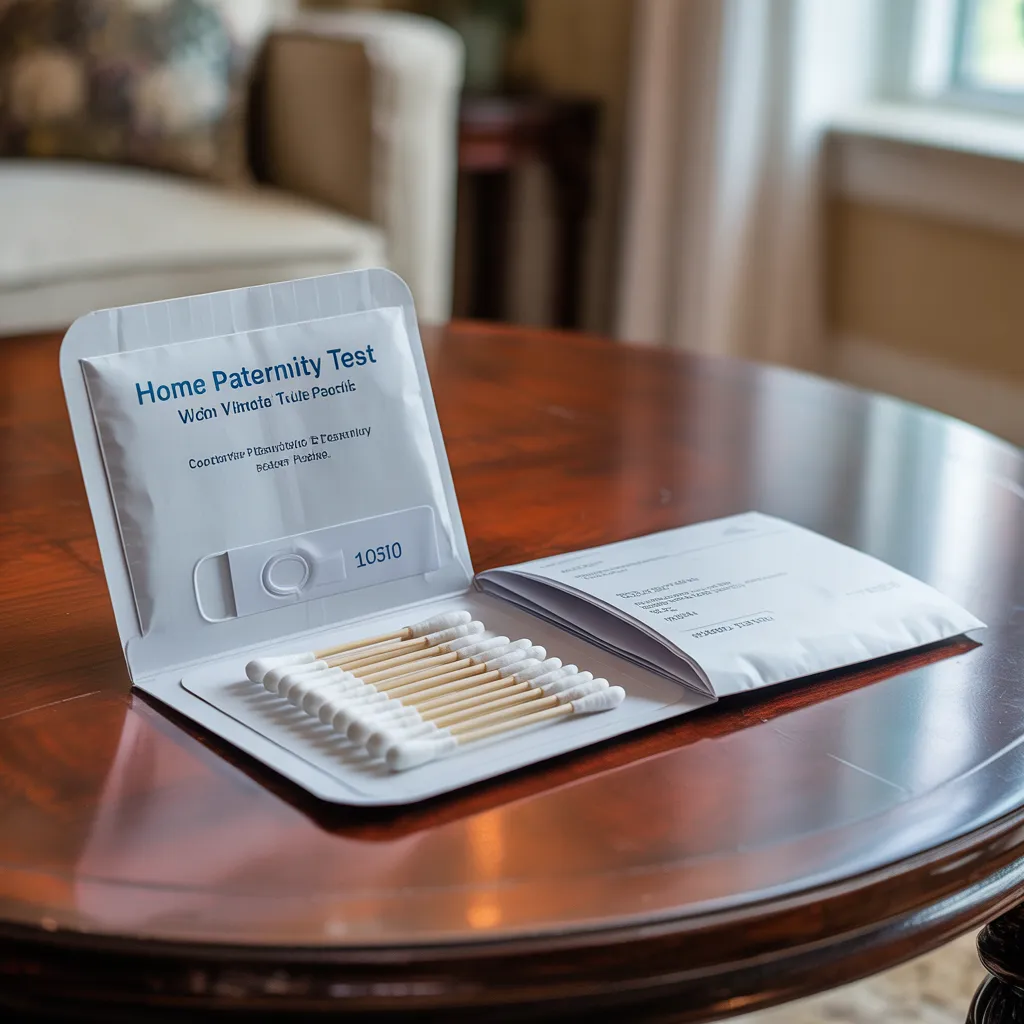
How Do Home Paternity Testing Kits Work?
Home paternity tests typically function via a simple procedure that involves gathering DNA specimens. People are provided with a test kit equipped with swabs intended for cheek cell collection, usually from both the prospective father and the child. Users are instructed to gently rub the swabs inside their cheeks to gather sufficient DNA material. Once the specimens have been gathered, the swabs are secured in provided containers and then forwarded to a testing facility for evaluation.
At the laboratory, the DNA is isolated and studied to pinpoint particular genetic indicators. This analysis compares the DNA profiles of the child and the alleged father to determine paternity. Findings are typically ready within a few days, and the procedure is intended to remain user-friendly, providing minimal stress. The ease of at-home testing resonates with many people, allowing individuals to seek answers in the privacy of their own environment. This process underscores the assessment's rising demand as a trustworthy solution for establishing paternal identity.
How Accurate Are Home Paternity Tests?
What level of accuracy do home paternity tests provide in establishing biological relationships? Generally, these tests claim to offer a high accuracy rate, often exceeding 99% when conducted correctly. They analyze DNA samples from the alleged father, child, and sometimes the mother, comparing genetic markers to establish a relationship. That said, the precision of these tests can be compromised by issues like sample contamination or inadequate handling practices.
Many home tests use sophisticated methods comparable to those used in certified facilities, yet they may lack the stringent oversight associated with professional testing. Moreover, results can fluctuate between different brands or kits, highlighting the significance of identifying a trusted supplier. While home paternity tests can provide a strong indication of familial relationships, individuals should approach them with caution, considering that legal and emotional implications may arise from the findings. In the end, for complete confidence, consulting a certified laboratory is strongly encouraged.
What Are the Key Privacy Concerns?
While home paternity tests offer a practical method for confirming biological relationships, they also introduce significant privacy concerns. The collection and handling of genetic material, often in the form of oral swabs or saliva specimens, has the potential to cause unauthorized access or misuse. A large number of firms do not assure the privacy of provided specimens, exposing individuals to the risk of data breaches.
Moreover, the data may be distributed to third parties without express consent, intensifying concerns of social stigma or prejudice. Consumers may also be not fully aware of how their genetic information will be retained or potentially applied to research objectives.
In addition, the emotional consequences stemming from unforeseen outcomes can complicate the privacy landscape. On the whole, while these assessments deliver user-friendliness and accessibility, the absence of strict regulatory oversight and accountability in the handling of personal data raises serious questions about people's fundamental right to privacy and control over their own genetic information.
In What Ways Do Test Results Influence Emotions?
The emotional fallout from paternity test results can be significant and extensive. Individuals may experience a whirlwind of feelings, ranging from happiness and relief to resentment and heartbreak. For certain individuals, a positive match can confirm deeply held convictions, fostering a feeling of belonging and stability. On the other hand, a negative result may lead to feelings of doubt, confusion, and heartbreak, particularly if a familial bond is challenged.
Such feelings can extend beyond the individual to influence bonds within the family unit. Parents could wrestle with guilt or fear over the implications for their children, while siblings might face shifts in their perceptions of family dynamics. Additionally, societal stigma may intensify these emotions, as individuals cope with societal norms around parentage. In the end, the emotional toll of the results of paternity testing can vary significantly, highlighting the complex interplay between sense of self, trust, and psychological wellness.
Important Factors to Consider When Choosing a Home Paternity Test
Working through the emotional journey in the wake of paternity test results often leads individuals to consider their options thoughtfully, particularly when selecting a home paternity test. A number of important considerations warrant consideration to secure a dependable and favorable outcome.
Initially, accuracy is paramount; users should pursue tests that demonstrate strong sensitivity and specificity ratings. Additionally, usability is of great importance; a straightforward collection process can alleviate stress. Privacy is another significant concern; established organizations ought to assure protected processing of private data and findings.
Cost is also a factor; prospective users should balance the cost against the assessment's reliability and customer support. Lastly, client feedback and testimonials offer valuable perspectives from previous users, offering guidance in maneuvering through options. By thoroughly considering these aspects, individuals can make informed choices that align with their needs and expectations.
Popular Questions We Receive
Are At-Home Paternity Tests Accepted as Legal Evidence in Court?
DIY paternity tests are commonly not legally admissible in court owing to reliability issues and a lack of consistent testing protocols. Courts generally mandate tests conducted by accredited laboratories for reliable legal more information evidence in paternity cases.
How Long Does It Take to Get Home Paternity Test Results?
Results from home paternity tests generally take between three to five days to be processed. A number of companies provide accelerated processing services, cutting down the waiting period to approximately 24 hours, based on the particular testing method selected.
Is Retesting an Option if I'm Uncertain About My Results?
Certainly, people can retest if not confident in the outcome. It's advisable to allow some time to pass before testing again to confirm precise outcomes. Consulting a professional can also help determine the most appropriate course of action.
Which Samples Are Required for At-Home Paternity Tests?
Home paternity tests generally need cheek swabs from the child as well as the potential father, however some kits may also accept blood specimen samples. Appropriate collection and proper handling of such samples are vital for obtaining reliable results.
Are There Age Restrictions for Testing Children?
There are typically no particular age limitations when testing children using home paternity tests. That said, acquiring approval from a legal guardian is usually mandatory, ensuring the child's rights and privacy are respected throughout the process.