Why a Home Paternity Test Provides Simple Cheek Swabs
The Rise of Home Paternity Tests: Reliability, Discretion, and Accessibility
The increasing prevalence of residential paternity testing highlights a notable shift in how individuals approach the verification of parentage. With reliability rates frequently surpassing 99%, these tests offer a accessible method for collecting DNA samples. However, significant worries regarding privacy about genetic data are still widespread. As more people consider these tests, it is important to consider the impact of emotional consequences, accuracy, and privacy. What factors should they prioritize in making this important decision?
How Do Home Paternity Tests Work?
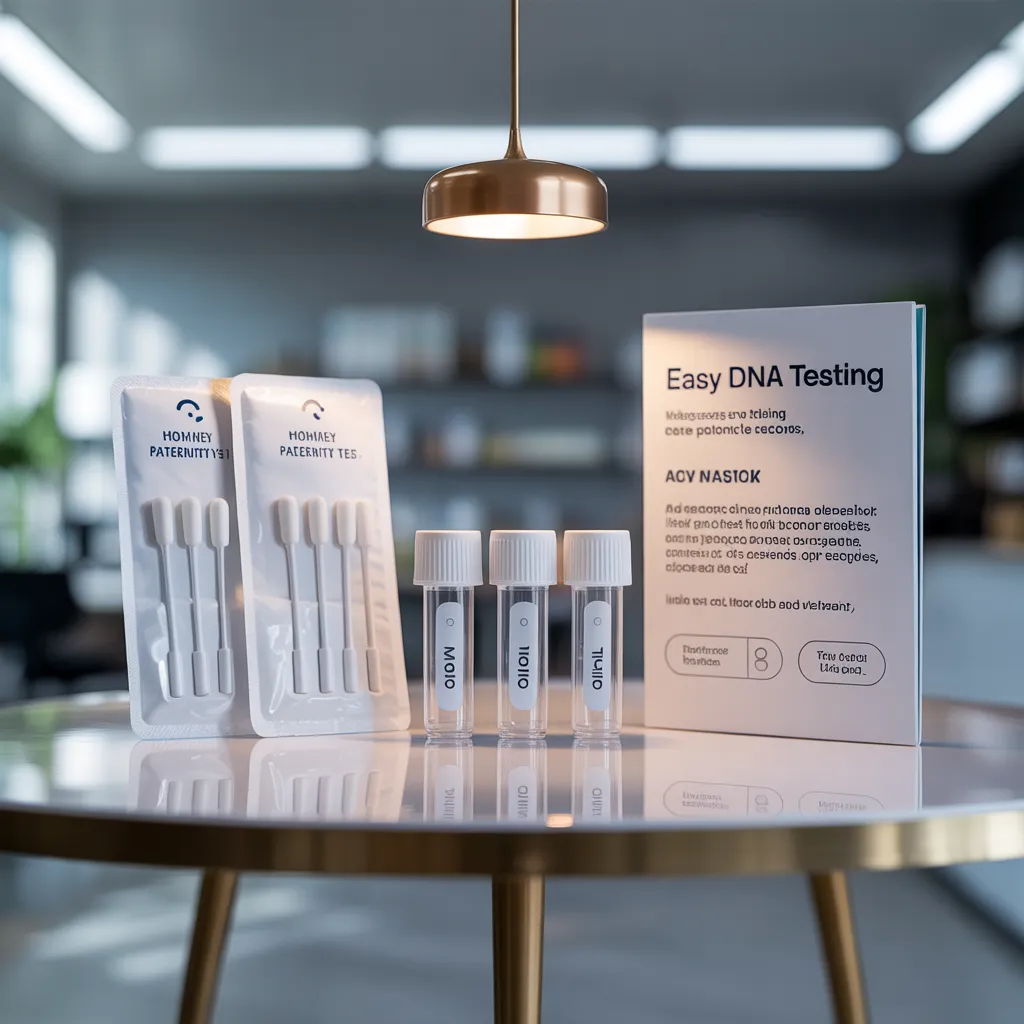
Home paternity tests typically function via a simple procedure centered around collecting genetic material. Participants obtain a testing package equipped with swabs intended for cheek cell collection, usually from both the prospective father and the child. Participants are advised to softly brush the swabs along the inside of their cheeks in order to collect an adequate amount of genetic material. After collecting the samples, the swabs are secured in provided containers before being mailed to a lab for examination.
At the laboratory, the DNA is collected and examined to identify specific genetic markers. The examination contrasts the DNA profiles of the child and the alleged father to determine paternity. Results are usually available within a few days, and the method is crafted to be user-friendly, ensuring minimal discomfort. The ease of at-home testing resonates with many people, allowing individuals to seek answers in the privacy of their own environment. This method emphasizes the examination's increasing recognition as a dependable choice for confirming paternity.
How Reliable Are Home Paternity Tests?
How reliable are home paternity tests when it comes to determining biological relationships? Typically, these tests are designed to provide a high degree of accuracy, frequently surpassing 99% when performed properly. These tests examine DNA samples collected from the potential father, child, and occasionally the mother, evaluating genetic markers to confirm a biological connection. Nevertheless, the reliability of results may be affected by elements such as sample contamination or incorrect handling procedures.
Many home tests employ cutting-edge approaches comparable to those used in certified facilities, yet they may lack the strict quality control linked to professional testing. Furthermore, results can differ between different brands or kits, emphasizing the importance of choosing a reputable provider. While home paternity tests can provide a strong indication of genetic connections, individuals should approach them with caution, bearing in mind that legal and emotional implications may arise from the findings. In the end, for complete confidence, working with a professional testing facility is strongly encouraged.
What Are the Main Privacy Issues to Consider?
Whereas home paternity tests present a practical method for confirming familial biological ties, they simultaneously present notable concerns regarding privacy. The gathering and management of genetic samples, often in the form of cheek swabs or saliva samples, may result in unlawful access or exploitation. A large number of firms do not assure the privacy of provided specimens, exposing individuals to the risk of data breaches.
Moreover, the results may be distributed to third parties without express consent, amplifying concerns of discrimination or bias. Individuals may also be unaware of how their genetic information will be stored or potentially applied to research objectives.
Moreover, the emotional implications connected to unexpected results can complicate the landscape of personal privacy. Taken together, while such tests offer simplicity and widespread availability, the lack of stringent regulations and clarity in data management practices raises serious questions about personal rights regarding data privacy and control over their own genetic information.
In What Ways Do Test Results Influence Emotions?
The emotional fallout from paternity test results can be deep and wide-ranging. Those involved may experience a spectrum of feelings, ranging from joy and comfort to feelings of betrayal and anger. For some, a positive match can confirm deeply held convictions, fostering a bond of trust and reassurance. Conversely, a negative result may lead to feelings of doubt, confusion, and heartbreak, particularly if a close family tie is brought into doubt.
These emotions can extend beyond the individual to influence family relationships. Parents may grapple with fear and guilt concerning what this means for their children, while brothers and sisters may experience alterations in their understanding of family structure. Furthermore, societal stigma may intensify these emotions, as individuals navigate societal expectations surrounding parentage. In the end, the psychological impact of paternity testing outcomes can vary significantly, emphasizing the complicated connection between sense of self, trust, and psychological wellness.
Essential Factors for Selecting a Home Paternity Test
Steering through the emotional journey in the wake of paternity test results often leads individuals to contemplate their next steps carefully, particularly when deciding on a home paternity test. Multiple essential factors warrant consideration to ensure a reliable and satisfactory outcome.
Initially, accuracy is paramount; users should pursue tests that demonstrate strong sensitivity and specificity ratings. Furthermore, user-friendliness plays a key role; a simple gathering process can ease concerns. Personal privacy stands as another important issue; reputable companies should guarantee secure handling of personal data and results.
Pricing is also an important consideration; prospective users should balance the cost against the assessment's reliability and customer valuable guide support. Lastly, user reviews and personal accounts shed light on the experiences of fellow customers, helping individuals work through the various alternatives. Through careful assessment of these elements, people can arrive at well-informed decisions that match their personal requirements and goals.
Questions Our Clients Often Ask
Are Home Paternity Tests Legally Admissible in Court?
At-home paternity tests are typically inadmissible in court because of accuracy concerns and the absence of standardized procedures. Courts typically require analyses carried out by certified laboratories for reliable legal evidence in paternity cases.
What Is the Turnaround Time for Home Paternity Test Results?
Results from home paternity tests generally take between three to five days to process. A number of companies provide faster turnaround options, shortening the processing time to approximately 24 hours, depending on the specific testing method used.
Can I Retest if I'm Unsure of Results?
Indeed, users can take the test again if uncertain about their results. It's advisable to wait a short period before testing again to guarantee reliable results. Seeking professional advice can also provide guidance on the right path forward.
What Samples Are Needed for Home Paternity Tests?
At-home paternity tests typically require buccal swabs from the child as well as the potential father, although some kits may also accept samples taken from blood. Correct collection and careful handling of these samples is critical to achieving accurate results.
Do Age Restrictions Apply When Testing Children?
Generally speaking, there are no strict age restrictions for conducting home paternity tests on children. However, obtaining consent from a legal guardian is typically required, guaranteeing that the child's rights and personal privacy are honored throughout the procedure.